How gratitude and positive psychology can support children’s well-being, relationships, and learning at home

With Thanksgiving approaching, many families will gather around the table and ask, “What are you thankful for?”
Some children will answer enthusiastically. Others might shrug, name their favorite video game, or struggle to think of anything. Meanwhile, parents may wonder: Does my child notice all the care, effort, and opportunities around them?
Thanksgiving offers a chance to explore appreciation together. Beyond saying “thank you,” gratitude involves noticing something meaningful and recognizing the people who contributed to it. Recent research suggests that gratitude practices can support well-being, although the benefits vary across people and activities.
Gratitude is part of positive psychology, which studies the strengths, relationships, and experiences that help people flourish. At home, this might mean noticing a sibling’s help, appreciating someone who listened, or recognizing a small moment of connection during a difficult day.
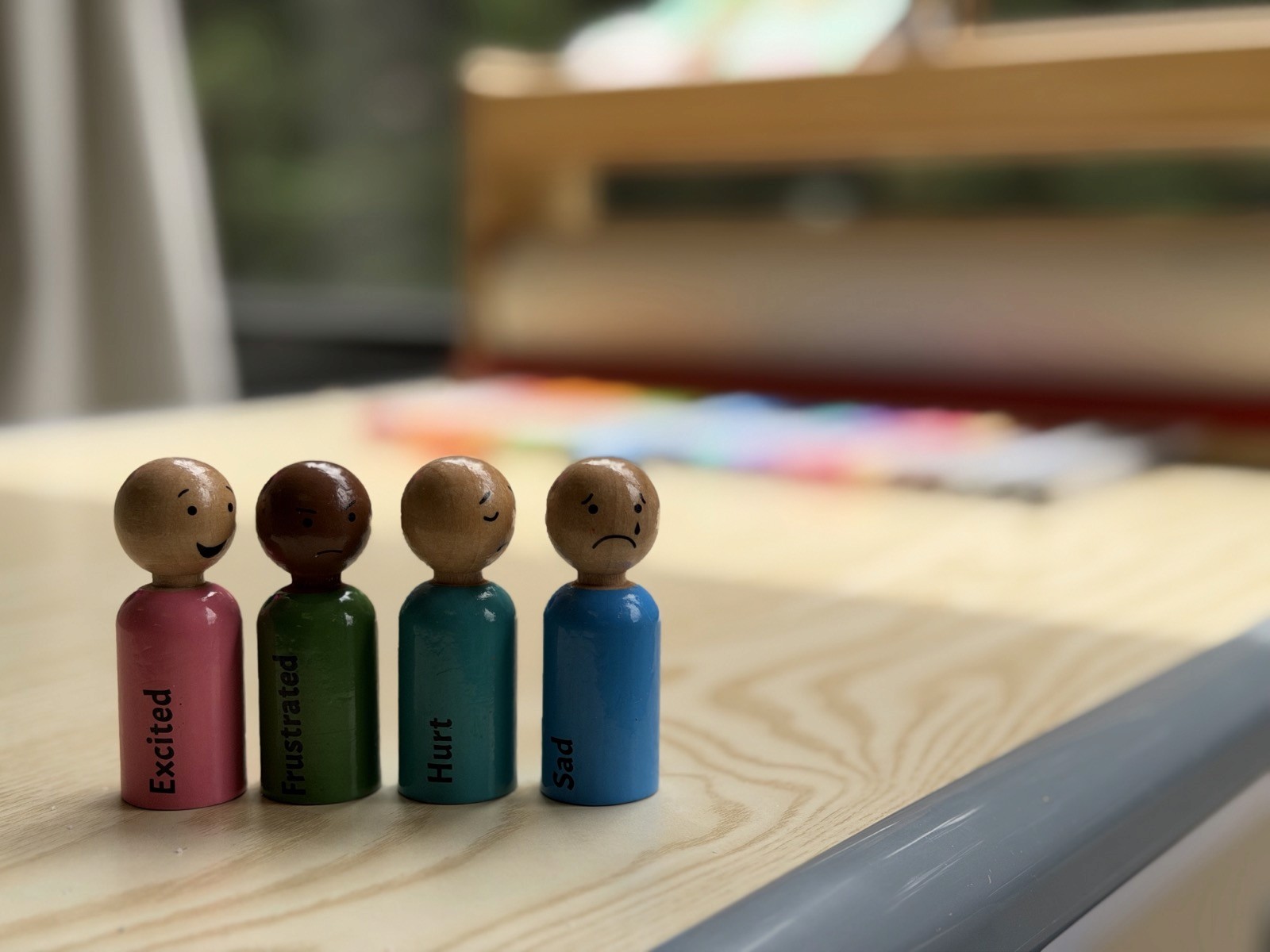
There is room for mixed feelings, too. A child can appreciate their family and feel overwhelmed by a holiday gathering. They can be thankful for help and still find homework frustrating.
So what does the research tell us—and how can families bring gratitude into everyday life?
What does newer research tell us?
A large 2025 meta-analysis examined 145 research papers involving more than 24,000 participants across 28 countries. Gratitude activities, such as journaling and writing appreciation letters, produced small average improvements in well-being. Benefits varied across countries and activities. Because the review included broader populations, its findings should not be treated as evidence specifically about young children (Choi et al., 2025).
For families, particularly relevant research suggests that parents’ own gratitude may matter, too.
In a 2024 paper, Nelson-Coffey and Coffey examined gratitude and family life across two studies. In an experiment involving 619 parents, writing a gratitude letter predicted better well-being and family functioning one week later through increased positive emotions. Interestingly, the gratitude did not have to focus on their children. Appreciating someone elsewhere in a parent’s life appeared to benefit their family experience. These were short-term findings, rather than evidence of lasting changes in children’s development.
This offers a meaningful invitation for Thanksgiving: parents can practice appreciation themselves while encouraging their children.
Keep expectations realistic
Gratitude is one possible support, and results are mixed. A 2025 study of 125 parents of young children found that two weeks of daily app-based gratitude exercises did not improve parenting stress, mood, or emotion regulation more than a comparison journaling activity (Ratcliff et al., 2025).
An appreciation practice may feel meaningful without solving the challenges a family faces. Children still need emotional support, and parents still need rest, help, and practical solutions.
If your child is upset, start by listening: “That sounds disappointing. Tell me what happened.” You don't need to turn every difficult moment into a gratitude lesson.
Bringing appreciation into learning at home
Homework, reading, and practicing a new skill offer natural opportunities to notice support.
After a difficult assignment, you might ask, “What helped you get started?” After cooking together, try, “What did you appreciate about having someone show you how?”
These are practical conversation ideas, rather than proven methods for improving grades or attention. Their purpose is to invite reflection on effort, cooperation, and asking for help.
You can model this yourself: “I was frustrated with that recipe. I appreciated you reading the instructions while I measured.”
Three small ways to practice this Thanksgiving
Notice a specific contribution.
Instead of “Be thankful for your family,” try: “Your brother made room for you beside him. That was thoughtful.” Let your child respond in their own way.
Share your own appreciation.
Tell someone what their effort meant to you: “Thank you for checking in this week. I felt supported.” Children can hear what appreciation sounds like in an ordinary conversation.
Invite, rather than require, participation.
Ask everyone to share one person or moment they appreciated. Younger children can draw; older children may prefer a private conversation. Let anyone pass, and welcome small answers.
This Thanksgiving, the most meaningful response might be something simple: “We laughed together,” “You helped me,” or “Someone listened.”
Those moments offer a place to begin.
References
Choi, H., Cha, Y., McCullough, M. E., Coles, N. A., & Oishi, S. (2025). A meta-analysis of the effectiveness of gratitude interventions on well-being across cultures. Proceedings of the National Academy of Sciences, 122(28), e2425193122.
Nelson-Coffey, S. K., & Coffey, J. K. (2024). Gratitude improves parents’ well-being and family functioning. Emotion, 24(2), 357–369.
Ratcliff, C. G., Langley, H. A., Torres, D., & Anderson, K. S. (2025). Randomized controlled trial of brief app-based gratitude and mindfulness interventions for parents of young children. Journal of Family Psychology, 39(6), 848–860.

About the Author
Ryan Yam, Psy.D. - Licensed Psychologist (PSY-2026-0020) in NM, Licensed Educational Psychologist (LEP4497) in CA, and founder of Dual Minds Psychology. Dr. Yam specializes in ADHD treatment, executive functioning skill development, and culturally sensitive care for children and adolescents.
More Posts


"/><stop offset="1" stop-color="rgb(5, 140, 207)"/></linearGradient></defs><path d="M 30 73.799 C 13.431 73.799 0 60.368 0 43.799 L 0 30 C 0 13.431 13.431 0 30 0 L 43.799 0 C 60.368 0 73.799 13.431 73.799 30 L 73.799 43.799 C 73.799 60.368 60.368 73.799 43.799 73.799 Z" fill="url(%23kvLn_ozmY-1534845019-linear-gradient)" height="73.79910000000001px" id="kvLn_ozmY" transform="translate(13 13)" width="73.7991px"/><g d="M 8.698 36.656 L 8.698 11.923 L 0.484 11.923 L 0.484 36.656 L 8.699 36.656 Z M 4.593 8.547 C 7.456 8.547 9.239 6.647 9.239 4.274 C 9.186 1.846 7.456 0 4.647 0 C 1.836 0 0 1.846 0 4.274 C 0 6.647 1.782 8.546 4.539 8.546 L 4.592 8.546 Z M 13.244 36.656 L 21.457 36.656 L 21.457 22.846 C 21.457 22.107 21.511 21.367 21.728 20.84 C 22.321 19.362 23.673 17.833 25.942 17.833 C 28.914 17.833 30.103 20.101 30.103 23.426 L 30.103 36.656 L 38.316 36.656 L 38.316 22.475 C 38.316 14.878 34.264 11.343 28.861 11.343 C 24.43 11.343 22.484 13.821 21.403 15.51 L 21.458 15.51 L 21.458 11.924 L 13.245 11.924 C 13.352 14.244 13.244 36.657 13.244 36.657 Z" fill="transparent" height="36.65729959411622px" id="I7k1N1iXS" transform="translate(30 31)" width="38.315999617004394px"><path d="M 8.698 36.656 L 8.698 11.923 L 0.484 11.923 L 0.484 36.656 L 8.699 36.656 Z M 4.593 8.547 C 7.456 8.547 9.239 6.647 9.239 4.274 C 9.186 1.846 7.456 0 4.647 0 C 1.836 0 0 1.846 0 4.274 C 0 6.647 1.782 8.546 4.539 8.546 L 4.592 8.546 Z M 13.244 36.656 L 21.457 36.656 L 21.457 22.846 C 21.457 22.107 21.511 21.367 21.728 20.84 C 22.321 19.362 23.673 17.833 25.942 17.833 C 28.914 17.833 30.103 20.101 30.103 23.426 L 30.103 36.656 L 38.316 36.656 L 38.316 22.475 C 38.316 14.878 34.264 11.343 28.861 11.343 C 24.43 11.343 22.484 13.821 21.403 15.51 L 21.458 15.51 L 21.458 11.924 L 13.245 11.924 C 13.352 14.244 13.244 36.657 13.244 36.657 Z" fill="rgb(255, 255, 255)" height="36.65729959411622px" id="xP4K2DCjy" width="38.315999617004394px"/></g></svg>)
"/><stop offset="1" stop-color="rgb(25, 175, 255)"/></linearGradient></defs><path d="M 30 73.799 C 13.431 73.799 0 60.368 0 43.799 L 0 30 C 0 13.431 13.431 0 30 0 L 43.799 0 C 60.368 0 73.799 13.431 73.799 30 L 73.799 43.799 C 73.799 60.368 60.368 73.799 43.799 73.799 Z" fill="url(%23IZuYqfVaE-1615149389-linear-gradient)" height="73.7991px" id="IZuYqfVaE" transform="translate(13 13)" width="73.7991px"/><g d="M 21.838 24.748 L 23.072 16.789 L 15.475 16.789 L 15.475 11.616 C 15.475 9.439 16.536 7.313 19.927 7.313 L 23.429 7.313 L 23.429 0.535 C 21.39 0.204 19.329 0.026 17.264 0 C 11.012 0 6.93 3.818 6.93 10.72 L 6.93 16.789 L 0 16.789 L 0 24.748 L 6.93 24.748 L 6.93 44 L 15.475 44 L 15.475 24.748 Z" fill="transparent" height="44px" id="x7FE6ZOAS" transform="translate(38 28)" width="23.4291px"><g d="M 21.838 24.748 L 23.072 16.789 L 15.475 16.789 L 15.475 11.616 C 15.475 9.439 16.536 7.313 19.927 7.313 L 23.429 7.313 L 23.429 0.535 C 21.39 0.204 19.329 0.026 17.264 0 C 11.012 0 6.93 3.818 6.93 10.72 L 6.93 16.789 L 0 16.789 L 0 24.748 L 6.93 24.748 L 6.93 44 L 15.475 44 L 15.475 24.748 Z" fill="transparent" height="44px" id="PtwSXF1iV" width="23.4291px"><path d="M 21.838 24.748 L 23.072 16.789 L 15.475 16.789 L 15.475 11.616 C 15.475 9.439 16.536 7.313 19.927 7.313 L 23.429 7.313 L 23.429 0.535 C 21.39 0.204 19.329 0.026 17.264 0 C 11.012 0 6.93 3.818 6.93 10.72 L 6.93 16.789 L 0 16.789 L 0 24.748 L 6.93 24.748 L 6.93 44 L 15.475 44 L 15.475 24.748 Z" fill="rgb(255, 255, 255)" height="44px" id="vUNfqPwEr" width="23.4291px"/></g></g></svg>)
"/><stop offset="0.51" stop-color="rgb(239, 78, 100)"/><stop offset="1" stop-color="rgb(255, 204, 82)"/></linearGradient></defs><path d="M 30 73.799 C 13.431 73.799 0 60.368 0 43.799 L 0 30 C 0 13.431 13.431 0 30 0 L 43.799 0 C 60.368 0 73.799 13.431 73.799 30 L 73.799 43.799 C 73.799 60.368 60.368 73.799 43.799 73.799 Z" fill="url(%23f2C7kOKOC-2720005844-linear-gradient)" height="73.79910000000001px" id="f2C7kOKOC" transform="translate(13 13)" width="73.7991px"/><g d="M 0 45 L 0 0 L 45 0 L 45 45 Z M 37.228 43.82 C 40.252 42.652 42.643 40.26 43.812 37.236 C 44.365 35.803 44.752 34.168 44.858 31.777 C 44.882 31.217 44.902 30.747 44.92 30.275 L 44.92 14.299 C 44.907 13.965 44.894 13.618 44.876 13.228 C 44.77 10.837 44.383 9.194 43.83 7.77 C 43.259 6.258 42.379 4.904 41.229 3.78 C 40.103 2.636 38.741 1.748 37.246 1.187 C 35.813 0.633 34.178 0.246 31.787 0.141 C 29.378 0.026 28.613 0 22.504 0 C 16.395 0 15.629 0.026 13.23 0.131 C 10.839 0.236 9.196 0.624 7.771 1.177 C 6.259 1.748 4.905 2.628 3.78 3.78 C 2.637 4.905 1.75 6.268 1.187 7.761 C 0.633 9.194 0.246 10.829 0.141 13.22 C 0.026 15.629 0 16.394 0 22.504 C 0 28.614 0.026 29.379 0.131 31.779 C 0.236 34.17 0.624 35.814 1.178 37.237 C 1.75 38.749 2.637 40.103 3.78 41.229 C 4.905 42.371 6.268 43.26 7.763 43.822 C 9.196 44.375 10.83 44.762 13.221 44.867 C 15.621 44.974 16.386 45 22.496 45 C 28.606 45 29.369 44.974 31.77 44.867 C 34.161 44.762 35.804 44.375 37.229 43.822 Z M 22.512 40.955 C 16.507 40.955 15.787 40.928 13.422 40.823 C 11.224 40.726 10.038 40.357 9.247 40.05 C 8.272 39.689 7.384 39.118 6.662 38.371 C 5.915 37.641 5.342 36.763 4.983 35.786 C 4.676 34.995 4.307 33.799 4.21 31.611 C 4.105 29.238 4.078 28.526 4.078 22.521 C 4.078 16.516 4.105 15.795 4.21 13.432 C 4.307 11.234 4.676 10.047 4.983 9.256 C 5.344 8.28 5.915 7.392 6.672 6.672 C 7.4 5.925 8.28 5.354 9.255 4.993 C 10.046 4.686 11.242 4.316 13.43 4.219 C 15.803 4.114 16.516 4.088 22.519 4.088 C 28.523 4.088 29.245 4.114 31.61 4.219 C 33.807 4.316 34.994 4.686 35.785 4.993 C 36.76 5.354 37.648 5.925 38.368 6.672 C 39.115 7.402 39.688 8.28 40.047 9.256 C 40.354 10.047 40.724 11.242 40.821 13.432 C 40.926 15.805 40.952 16.517 40.952 22.521 C 40.952 28.524 40.926 29.228 40.821 31.601 C 40.724 33.799 40.354 34.986 40.047 35.777 C 39.291 37.738 37.735 39.294 35.775 40.049 C 34.984 40.356 33.789 40.725 31.6 40.822 C 29.227 40.927 28.515 40.953 22.511 40.953 Z M 22.504 10.942 C 16.121 10.942 10.944 16.12 10.944 22.503 C 10.944 28.885 16.121 34.063 22.504 34.063 C 28.887 34.063 34.063 28.885 34.063 22.503 C 34.063 16.12 28.885 10.942 22.504 10.942 Z M 22.504 30 C 18.363 30 15.005 26.642 15.005 22.501 C 15.005 18.36 18.363 15.003 22.504 15.003 C 26.645 15.003 30.003 18.36 30.003 22.501 C 30.003 26.642 26.645 30 22.504 30 Z M 37.219 10.486 C 37.219 8.995 36.011 7.788 34.52 7.788 C 33.029 7.788 31.822 8.996 31.822 10.486 C 31.822 11.975 33.03 13.184 34.52 13.184 C 36.009 13.184 37.219 11.977 37.219 10.486 Z" fill="transparent" height="45px" id="QcuMztbl1" transform="translate(27 27)" width="45px"><path d="M 0 45 L 0 0 L 45 0 L 45 45 Z" fill="transparent" height="45px" id="feOWypuxH" width="45px"/><g d="M 37.228 43.82 C 40.252 42.652 42.643 40.26 43.812 37.236 C 44.365 35.803 44.752 34.168 44.858 31.777 C 44.882 31.217 44.902 30.747 44.92 30.275 L 44.92 14.299 C 44.907 13.965 44.894 13.618 44.876 13.228 C 44.77 10.837 44.383 9.194 43.83 7.77 C 43.259 6.258 42.379 4.904 41.229 3.78 C 40.103 2.636 38.741 1.748 37.246 1.187 C 35.813 0.633 34.178 0.246 31.787 0.141 C 29.378 0.026 28.613 0 22.504 0 C 16.395 0 15.629 0.026 13.23 0.131 C 10.839 0.236 9.196 0.624 7.771 1.177 C 6.259 1.748 4.905 2.628 3.78 3.78 C 2.637 4.905 1.75 6.268 1.187 7.761 C 0.633 9.194 0.246 10.829 0.141 13.22 C 0.026 15.629 0 16.394 0 22.504 C 0 28.614 0.026 29.379 0.131 31.779 C 0.236 34.17 0.624 35.814 1.178 37.237 C 1.75 38.749 2.637 40.103 3.78 41.229 C 4.905 42.371 6.268 43.26 7.763 43.822 C 9.196 44.375 10.83 44.762 13.221 44.867 C 15.621 44.974 16.386 45 22.496 45 C 28.606 45 29.369 44.974 31.77 44.867 C 34.161 44.762 35.804 44.375 37.229 43.822 Z M 22.512 40.955 C 16.507 40.955 15.787 40.928 13.422 40.823 C 11.224 40.726 10.038 40.357 9.247 40.05 C 8.272 39.689 7.384 39.118 6.662 38.371 C 5.915 37.641 5.342 36.763 4.983 35.786 C 4.676 34.995 4.307 33.799 4.21 31.611 C 4.105 29.238 4.078 28.526 4.078 22.521 C 4.078 16.516 4.105 15.795 4.21 13.432 C 4.307 11.234 4.676 10.047 4.983 9.256 C 5.344 8.28 5.915 7.392 6.672 6.672 C 7.4 5.925 8.28 5.354 9.255 4.993 C 10.046 4.686 11.242 4.316 13.43 4.219 C 15.803 4.114 16.516 4.088 22.519 4.088 C 28.523 4.088 29.245 4.114 31.61 4.219 C 33.807 4.316 34.994 4.686 35.785 4.993 C 36.76 5.354 37.648 5.925 38.368 6.672 C 39.115 7.402 39.688 8.28 40.047 9.256 C 40.354 10.047 40.724 11.242 40.821 13.432 C 40.926 15.805 40.952 16.517 40.952 22.521 C 40.952 28.524 40.926 29.228 40.821 31.601 C 40.724 33.799 40.354 34.986 40.047 35.777 C 39.291 37.738 37.735 39.294 35.775 40.049 C 34.984 40.356 33.789 40.725 31.6 40.822 C 29.227 40.927 28.515 40.953 22.511 40.953 Z M 22.504 10.942 C 16.121 10.942 10.944 16.12 10.944 22.503 C 10.944 28.885 16.121 34.063 22.504 34.063 C 28.887 34.063 34.063 28.885 34.063 22.503 C 34.063 16.12 28.885 10.942 22.504 10.942 Z M 22.504 30 C 18.363 30 15.005 26.642 15.005 22.501 C 15.005 18.36 18.363 15.003 22.504 15.003 C 26.645 15.003 30.003 18.36 30.003 22.501 C 30.003 26.642 26.645 30 22.504 30 Z M 37.219 10.486 C 37.219 8.995 36.011 7.788 34.52 7.788 C 33.029 7.788 31.822 8.996 31.822 10.486 C 31.822 11.975 33.03 13.184 34.52 13.184 C 36.009 13.184 37.219 11.977 37.219 10.486 Z" fill="transparent" height="45px" id="YLtmkBH9Y" width="44.919799999999995px"><path d="M 37.228 43.82 C 40.252 42.652 42.643 40.26 43.812 37.236 C 44.365 35.803 44.752 34.168 44.858 31.777 C 44.882 31.217 44.902 30.747 44.92 30.275 L 44.92 14.299 C 44.907 13.965 44.894 13.618 44.876 13.228 C 44.77 10.837 44.383 9.194 43.83 7.77 C 43.259 6.258 42.379 4.904 41.229 3.78 C 40.103 2.636 38.741 1.748 37.246 1.187 C 35.813 0.633 34.178 0.246 31.787 0.141 C 29.378 0.026 28.613 0 22.504 0 C 16.395 0 15.629 0.026 13.23 0.131 C 10.839 0.236 9.196 0.624 7.771 1.177 C 6.259 1.748 4.905 2.628 3.78 3.78 C 2.637 4.905 1.75 6.268 1.187 7.761 C 0.633 9.194 0.246 10.829 0.141 13.22 C 0.026 15.629 0 16.394 0 22.504 C 0 28.614 0.026 29.379 0.131 31.779 C 0.236 34.17 0.624 35.814 1.178 37.237 C 1.75 38.749 2.637 40.103 3.78 41.229 C 4.905 42.371 6.268 43.26 7.763 43.822 C 9.196 44.375 10.83 44.762 13.221 44.867 C 15.621 44.974 16.386 45 22.496 45 C 28.606 45 29.369 44.974 31.77 44.867 C 34.161 44.762 35.804 44.375 37.229 43.822 Z M 22.512 40.955 C 16.507 40.955 15.787 40.928 13.422 40.823 C 11.224 40.726 10.038 40.357 9.247 40.05 C 8.272 39.689 7.384 39.118 6.662 38.371 C 5.915 37.641 5.342 36.763 4.983 35.786 C 4.676 34.995 4.307 33.799 4.21 31.611 C 4.105 29.238 4.078 28.526 4.078 22.521 C 4.078 16.516 4.105 15.795 4.21 13.432 C 4.307 11.234 4.676 10.047 4.983 9.256 C 5.344 8.28 5.915 7.392 6.672 6.672 C 7.4 5.925 8.28 5.354 9.255 4.993 C 10.046 4.686 11.242 4.316 13.43 4.219 C 15.803 4.114 16.516 4.088 22.519 4.088 C 28.523 4.088 29.245 4.114 31.61 4.219 C 33.807 4.316 34.994 4.686 35.785 4.993 C 36.76 5.354 37.648 5.925 38.368 6.672 C 39.115 7.402 39.688 8.28 40.047 9.256 C 40.354 10.047 40.724 11.242 40.821 13.432 C 40.926 15.805 40.952 16.517 40.952 22.521 C 40.952 28.524 40.926 29.228 40.821 31.601 C 40.724 33.799 40.354 34.986 40.047 35.777 C 39.291 37.738 37.735 39.294 35.775 40.049 C 34.984 40.356 33.789 40.725 31.6 40.822 C 29.227 40.927 28.515 40.953 22.511 40.953 Z" fill="rgb(255, 255, 255)" height="45px" id="SpKzHtc8j" width="44.919799999999995px"/><path d="M 11.56 0 C 5.178 0 0 5.178 0 11.56 C 0 17.943 5.178 23.121 11.56 23.121 C 17.943 23.121 23.12 17.943 23.12 11.56 C 23.12 5.178 17.942 0 11.56 0 Z M 11.561 19.058 C 7.42 19.058 4.062 15.7 4.062 11.559 C 4.062 7.418 7.42 4.061 11.561 4.061 C 15.701 4.061 19.059 7.418 19.059 11.559 C 19.059 15.7 15.701 19.058 11.561 19.058 Z" fill="rgb(255, 255, 255)" height="23.120999999999995px" id="yuhZSnhE1" transform="translate(10.944 10.942)" width="23.1196px"/><path d="M 5.398 2.698 C 5.398 1.207 4.189 0 2.698 0 C 1.207 0 0 1.209 0 2.698 C 0 4.188 1.209 5.396 2.698 5.396 C 4.188 5.396 5.398 4.189 5.398 2.698 Z" fill="rgb(255, 255, 255)" height="5.3964px" id="D4L3_I8VQ" transform="translate(31.822 7.788)" width="5.397899999999993px"/></g></g></svg>)